Why 3D Product Visualization Is the Smartest Investment E-Commerce Brands Can Make in 2026
If you've ever abandoned an online purchase because the product images felt flat, unconvincing, or just plain uninspiring — you're not alone. Studies consistently show that product visuals are the single biggest factor influencing buying decisions online. Shoppers can't touch, smell, or try your product. All they have is what they see on the screen. That's exactly why 3D product visualization has moved from a "nice to have" to a genuine competitive necessity for modern e-commerce brands.
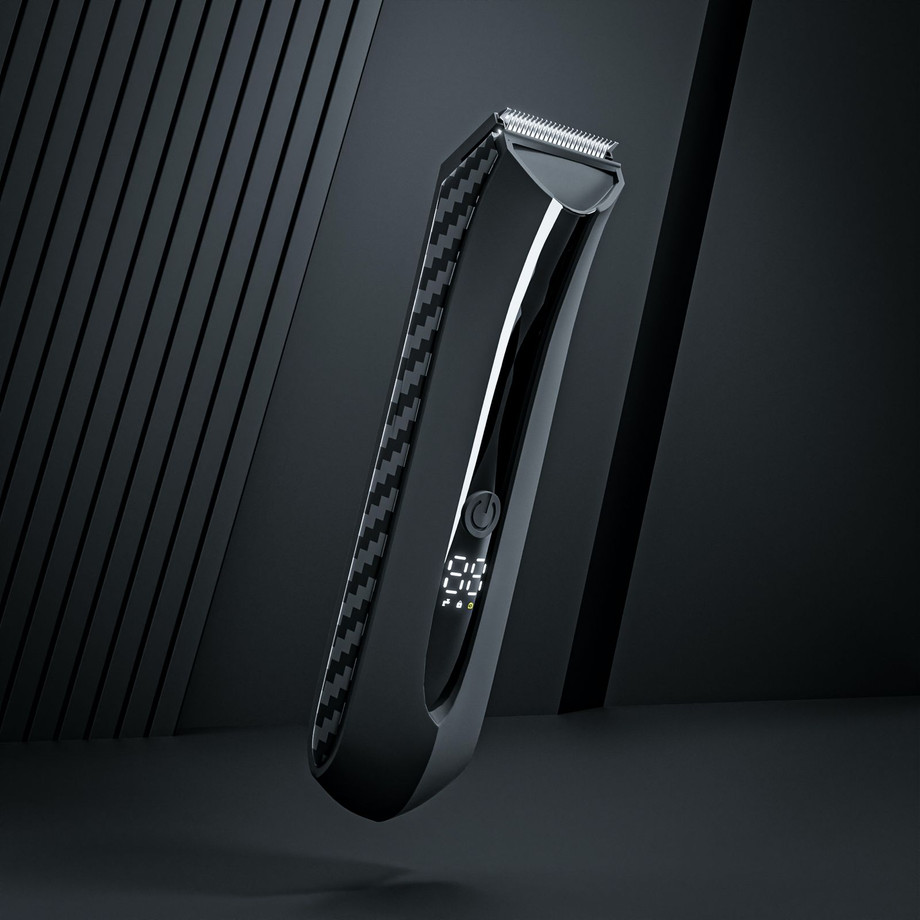
What Is 3D Product Visualization, and Why Does It Matter?
3D product visualization is the process of creating photorealistic images, animations, and interactive visuals of a product using computer-generated imagery — entirely without a physical photoshoot. A skilled 3D artist builds a precise digital model of your product, applies accurate textures, materials, and lighting, and renders the final output at any resolution, angle, or scene you require.
The result? Images that are often indistinguishable from traditional photography — and in many cases, far more detailed and versatile than anything a camera could capture on a studio set.
For brands selling on Amazon, Shopify, Flipkart, or any major platform, this matters enormously. Your listing images are your storefront window. A blurry, inconsistent, or limited product gallery costs you conversions every single day.
The Real Cost of Traditional Photography — And the Smarter Alternative
Traditional product photography involves booking a studio, hiring a photographer, sourcing props, coordinating models, and then waiting on editing turnarounds. If your product launches in a new color variant, you're back to square one — re-booking, re-shooting, and spending more. For brands managing dozens or hundreds of SKUs, this process becomes a serious operational bottleneck.
This is precisely why product visualization services have exploded in demand. With a single 3D master model created once, you can generate infinite variations: different colors, backgrounds, scenes, angles, infographic overlays, A+ content panels, and even short animations — all from the same source file.
Brands working with studios like SMAPIT, a Gurugram-based CGI and 3D visualization studio serving e-commerce brands across India, the US, and UAE, report cutting their product content costs by up to 70% while significantly improving visual quality and delivery speed. SMAPIT's workflow typically delivers a full image stack — white-background main image, secondary angles, lifestyle renders, and infographic panels — within three to five business days per product.
CGI Product Photography: The Technology Behind the Visuals
The term CGI product photography refers specifically to product imagery created using computer-generated imagery techniques, as opposed to a physical camera. This approach gives brands a level of creative control that traditional photography simply cannot match.
Want to show your kitchen appliance on a marble countertop bathed in warm morning light? Done — without renting a kitchen set. Need to display your skincare product submerged in water with rising bubbles? No problem — without a single drop getting near your packaging. CGI product photography makes the impossible routine, and it does so at a fraction of the cost of elaborate real-world production setups.
Studios like SMAPIT combine 4+ years of deep 3D expertise with AI-driven production tools, meaning the creative possibilities have expanded even further. Hyper-realistic surface textures, physically accurate reflections, and complex environmental lighting are all rendered with precision that builds instant buyer trust.
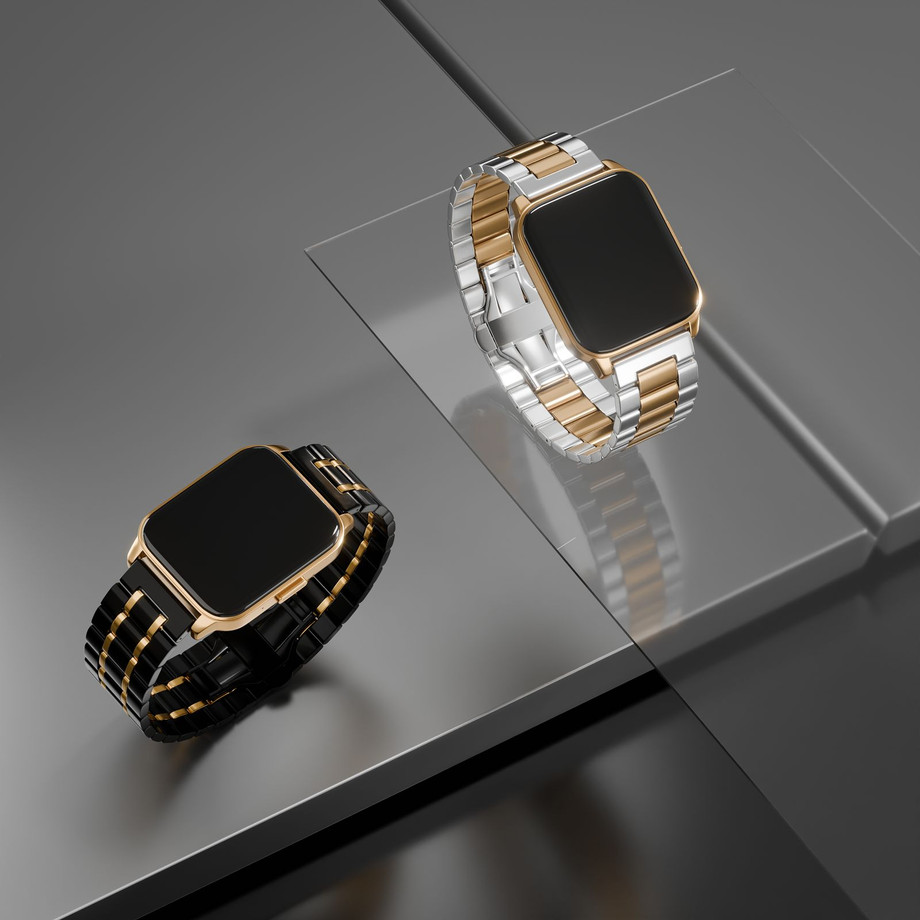
What Professional Product Visualization Services Actually Deliver
When you invest in professional product visualization services, you're not just buying pretty pictures. You're investing in a scalable content infrastructure for your brand. Here's what a comprehensive service typically covers:
A complete e-commerce listing stack for Amazon or Shopify will include a compliant white-background main image, multiple secondary angle shots, at least one lifestyle render showing the product in a real-world context, infographic panels with feature callouts, and size or scale reference visuals. For Amazon sellers specifically, this meets the platform's recommendation of a minimum of seven images per listing — all of which directly impact search ranking and conversion rate.
Beyond static images, leading product visualization services also offer 360-degree product spins, AR-ready 3D files for "try before you buy" features, and animated product videos for ads and social media. These interactive formats are rapidly becoming the new benchmark for premium product presentation.
Why E-Commerce Brands Are Making the Switch Now
The shift toward 3D product visualization isn't a trend — it's a structural change in how brands create and manage product content. Several forces are accelerating this transition.
First, platform standards are rising. Amazon's A+ content program, which can lift conversion rates by up to 8% according to Amazon's own data, practically requires high-quality CGI assets to execute well. Second, the explosion of color variants and product configurations means traditional photography simply can't keep pace. Third, international expansion — particularly into markets like the US and UAE — demands visuals that meet global quality standards without global production budgets.
SMAPIT, which operates across Indian Standard Time, Gulf Standard Time, and Eastern Standard Time, is designed specifically to support brands navigating this kind of cross-border growth. Their model ensures faster turnarounds and continuous progress regardless of where a brand's team is based.
The Bottom Line
The question for e-commerce brands is no longer whether to adopt 3D product visualization — it's how quickly you can make the transition before your competitors do. The combination of lower costs, faster turnarounds, infinite flexibility, and consistently superior visual quality makes CGI product photography the most practical and scalable solution available today.
If your product images aren't doing justice to what you're selling, that's not a photography problem. It's a strategy problem — and 3D is the answer.
Want to see what your product looks like in 3D? Visit smapit.in to explore SMAPIT's portfolio and request a free sample render.


Comments
Post a Comment